Heat-related illnesses can happen quickly, but they are also preventable. With the right precautions, employers and employees can work together to stay safe and productive throughout the summer months.
Know the Risks
Working in high temperatures can lead to heat stress, which occurs when the body has difficulty regulating its temperature. Humidity can make the problem worse because it reduces the body’s ability to cool itself through sweating.
Common heat-related illnesses include:
● Heat cramps: Muscle pain or spasms caused by loss of fluids and electrolytes.
● Heat exhaustion: Heavy sweating, weakness, dizziness, headache, nausea, and cool or clammy skin.
● Heat stroke: A medical emergency that can cause confusion, loss of consciousness, seizures, and potentially death.
Heat stroke requires immediate medical attention. Call 911 if you suspect someone is experiencing heat stroke.
Seven Ways to Beat the Heat
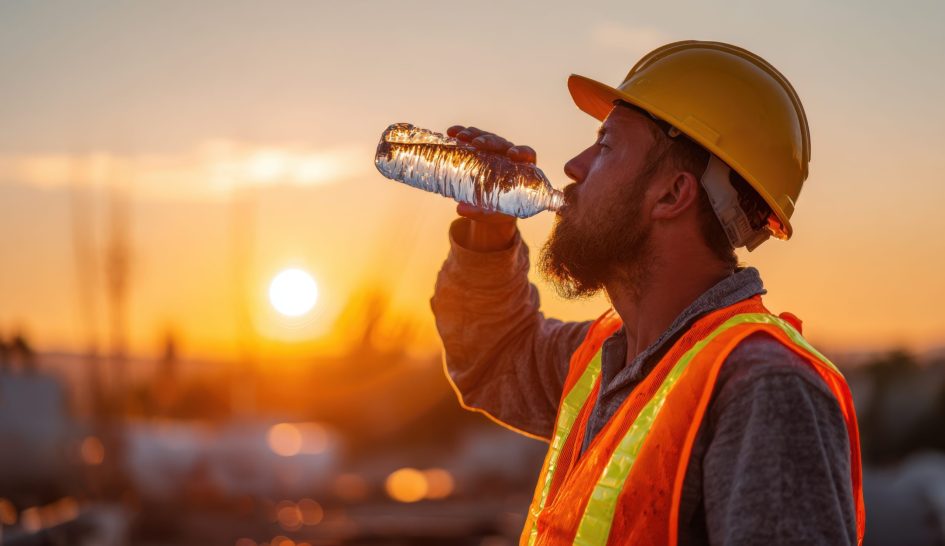
1. Hydrate Before You Get Thirsty
Don’t wait until you’re thirsty to drink water. Employees working in the heat should drink regularly throughout the workday.
Water should be readily available and easily accessible. During extended periods of heavy sweating, electrolyte-containing beverages may also be appropriate.
Avoid relying on caffeinated or alcoholic beverages for hydration.
2. Take Regular Breaks 

Breaks aren’t just about productivity—they’re an important part of preventing heat-related illness.
Whenever possible, schedule rest periods in shaded, air-conditioned, or otherwise cool areas. Employers should consider the temperature, humidity, workload, and length of exposure when determining appropriate work and rest schedules.
3. Dress for the Weather
Choose lightweight, breathable clothing when possible. Light-colored clothing can also help reduce heat absorption.
Depending on the job, workers should continue wearing all required personal protective equipment (PPE). If PPE increases heat exposure, employers should evaluate whether there are alternative options that provide the same level of protection while reducing heat stress.
4. Give Your Body Time to Adjust
Employees who are new to working in the heat—or who are returning after time away—may be more susceptible to heat-related illness.
Gradually increase exposure and workload when possible, allowing the body time to acclimatize to hotter conditions. Employers should pay particular attention to new employees and those returning from extended absences.
5. Watch Your Co-Workers
Heat illness doesn’t always happen when someone is working alone. Make sure employees know the warning signs and look out for one another.
If a co-worker becomes unusually tired, confused, dizzy, nauseated, or stops sweating despite being extremely hot, take action immediately.
Never assume someone will simply “push through” heat-related symptoms.
6. Plan Around the Heat
Whenever possible, schedule the most physically demanding work during cooler portions of the day.
Early mornings may be a better time for strenuous outdoor tasks, while lighter work, training, or administrative activities can be scheduled during the hottest part of the afternoon.
Check the weather forecast and heat conditions before the workday begins, and adjust the work plan when necessary.
7. Speak Up When Something Doesn’t Feel Right
Employees should feel comfortable telling a supervisor when they are experiencing symptoms of heat stress or believe working conditions have become unsafe.
A few minutes spent cooling down and rehydrating can prevent a much more serious situation.
Employers: Make Heat Safety Part of the Workday
A strong heat-safety program starts before employees step outside. Employers should:
- Provide plenty of cool drinking water.
- Establish scheduled rest and hydration breaks.
- Provide shaded or air-conditioned recovery areas.
- Train employees to recognize and respond to heat-related illnesses.
- Encourage employees to report symptoms early.
- Monitor weather and heat conditions.
- Develop an acclimatization plan for new and returning employees.
- Use appropriate PPE while considering the additional heat burden it may create.
- Have an emergency response plan in place.
Most importantly, make heat safety part of the daily conversation—not just something discussed when temperatures reach dangerous levels.
Stay Cool. Stay Hydrated. Stay Safe.
Summer heat is part of working outdoors in Alabama, but heat-related illness doesn’t have to be.
A successful day on the job means more than getting the work done. It means making sure everyone goes home safely at the end of the day.
This summer, take the heat seriously. Hydrate. Take breaks. Watch out for your co-workers. And when in doubt, cool down.
Safety is everyone’s responsibility—and prevention starts with awareness.
Ready to make your workplace safer? Start with one change today. Your team will thank you for it. Contact us today to learn how we can help!